Why Healthcare Professionals Might Suggest Natural Remedies at Times

When people think of healthcare professionals, they often imagine prescription pads, lab tests, and high-tech equipment.
But many doctors, nurses, and therapists don’t always rush to pharmaceutical solutions for every ailment. Instead, they sometimes recommend natural remedies.
Think about it: The global pharmaceutical market is worth $1,645.75 billion. At the same time, the global herbal medicine market is worth $70.57 billion; not as big as the pharma market, but still pretty big.
What does that mean? It means that people do have faith in herbal medicine and natural remedies.
Note that natural remedies aren’t about dismissing science. Rather, they are a recognition that healing sometimes comes from working with the body instead of overpowering it.
But why exactly might healthcare professionals suggest natural remedies at times?
When Modern Medicine Has Its Limits
Healthcare professionals know the strengths of modern medicine—but they’re also keenly aware of its limits. Not every condition demands a pharmaceutical solution, especially when symptoms are mild or temporary.
For example, mild digestive discomfort might not need medication that risks side effects. Instead, a seasoned doctor might suggest peppermint or probiotics to ease the issue.
These remedies don’t replace modern treatments but are often seen as a first line of care that allows the body to heal naturally.
Suggesting natural remedies becomes a conscious effort to protect patients from the unintended consequences of modern drugs.
A Personal but Fact-Based Approach to Natural Recommendations
There’s another layer to why some healthcare providers recommend natural remedies: their own personal experience, combined with scientific understanding. Many doctors and nurses have witnessed or experienced the effectiveness of natural methods in their own lives.
Perhaps a nurse uses chamomile tea at night to sleep better, or a family doctor swears by saltwater gargles for a sore throat. When they suggest these remedies, it comes from a place of sincerity, not because it’s trendy, but because they’ve seen it work.
Of course, their personal anecdotes are filtered through medical training. A good healthcare professional doesn’t recommend a remedy just because it helped them once. They weigh its safety, scientific backing, and relevance to the patient’s condition.
As a matter of fact, don’t get surprised when you find nurse practitioners hinting at natural remedy usage. They might even be using such remedies for their own primary care.
Rest assured that these nurses complete their BSN and MSN degrees. Some even opt for family nurse practitioner (FNP) specialization. Hence, even with an offline or online MSN FNP, these nurses might suggest herbal or natural medicines.
According to Cleveland State University, family nurse practitioners and other specialized nurses are well-versed in providing primary care to patients.
Hence, they might only hint at natural remedy usage if they are fully certain about its positive impact. Whatever it is, know that such suggestions aren’t plucked from a wellness blog but come from someone who understands science and the human body.
Why is there so much stigma around natural or herbal remedies?
The stigma around natural or herbal remedies often stems from a lack of scientific evidence and regulation.
Many people worry about safety, dosage, and effectiveness compared to modern medicine. Additionally, misleading claims or unproven treatments create skepticism.
This has led some to view herbal remedies as unreliable or unsafe.
You should only follow directions of an herbalist or your doctor; not someone you find on social media or the internet.
Meeting Patient Preferences and Cultural Expectations
Another reason healthcare professionals suggest natural remedies is simple: patients ask for them. Many people are more comfortable trying natural treatments first, especially when it comes to chronic or less serious issues.
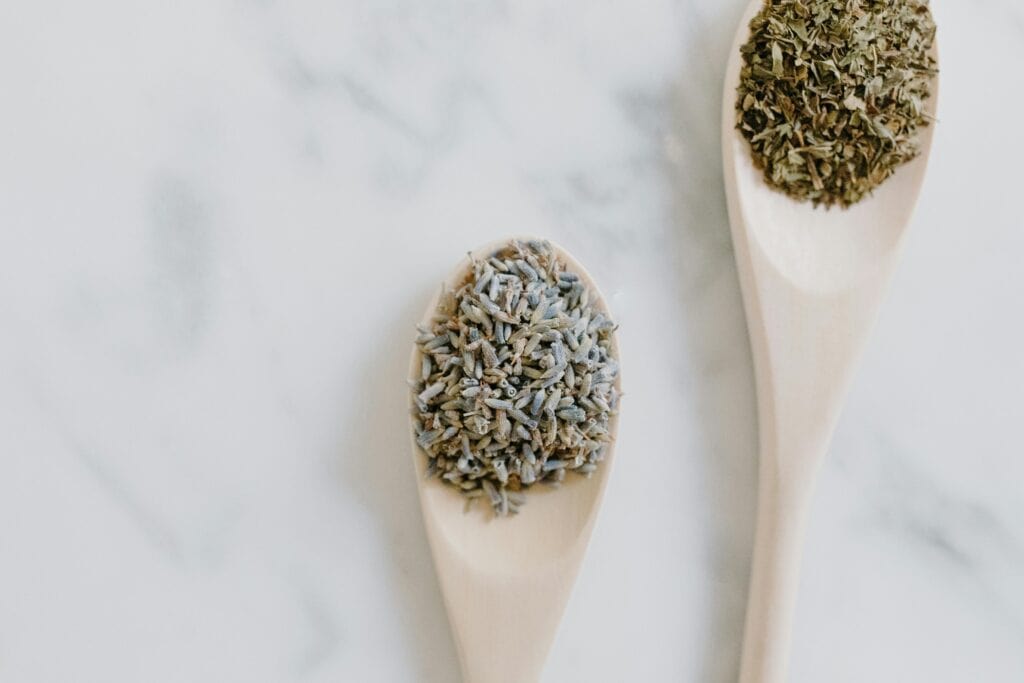
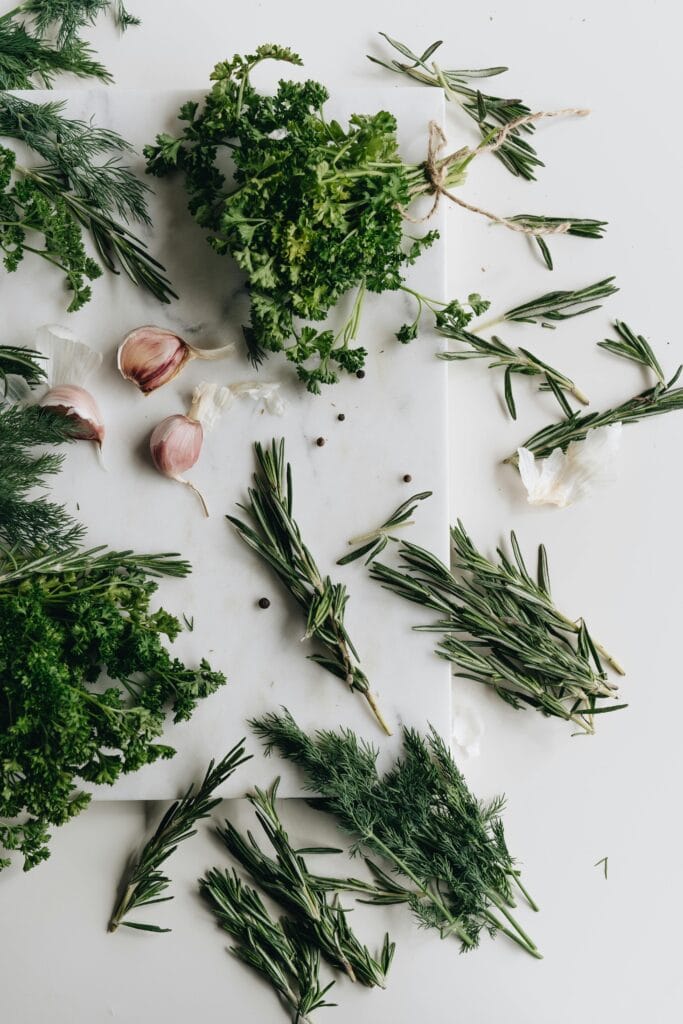
For instance, peppermint, lavender, and thyme are simple to grow and can help ease certain health symptoms. Hence, many people, over the years, have certain expectations from these plants and expect them to help with various health problems.
Healthcare providers who understand this preference know that offering natural remedies can build trust and improve communication.
In many cultures, natural healing methods like herbal teas, essential oils, or traditional massages have been part of everyday life for generations. Ignoring these practices or dismissing them outright risks alienating patients who find comfort in these traditions.
Healthcare professionals who embrace these remedies when appropriate are offering effective care and also respecting cultural backgrounds.
Are doctors anti-herbal medication?
Most doctors aren’t entirely against herbal medication but are cautious due to limited scientific research and potential side effects.
Some herbs can interact with prescribed drugs, causing harmful reactions. Doctors prioritize treatments backed by clinical studies. However, many are open to herbal remedies when used safely alongside conventional medicine.
The Growing Body of Research Supporting Natural Remedies
Did you know that almost 40 percent of pharmaceutical products today draw from nature and traditional knowledge, including drugs like aspirin? Thus, the research behind natural remedies is growing.
The shift toward natural remedies isn’t just emotional or cultural; it’s also backed by science. Over the past few decades, more clinical studies have explored the effectiveness of herbal medicines, mindfulness, and dietary supplements.
Healthcare professionals read this research, attend seminars, and continue learning long after medical school. As a result, their knowledge base expands to include treatments like melatonin for sleep or mindfulness techniques for stress management.
This scientific validation of natural remedies allows healthcare providers to make informed recommendations that are rooted in tradition but also backed by data. Such recommendations stem from peer-reviewed studies, giving patients both safety and efficacy.
Learn how to easily switch out your products with more natural solutions with this Natural Living Made Easy Freebie!
Can natural remedies cure all types of diseases and sicknesses?
Natural remedies cannot cure all types of diseases and sicknesses, especially severe or life-threatening conditions.
While helpful for mild issues like colds or digestion problems, they often lack the power to treat complex diseases like cancer or heart conditions. Relying solely on natural remedies can delay necessary medical treatment.
The image of healthcare professionals recommending natural remedies might seem at odds with the world of modern medicine. Yet, in reality, it reflects a deep understanding of healing in its fullest form.
When a healthcare professional suggests a natural remedy, they are offering not just a treatment, but a philosophy. It’s a reminder that sometimes, the simplest solutions can be the most powerful.


