DIY Black Drawing Salve

If you’ve ever dealt with a stubborn splinter, an itchy bite, or a mystery bump your kid found somewhere while playing in the backyard, you’ll want to make a batch of this.
Black drawing salves are one of those old-school herbal remedies that truly earn their place in the natural medicine cabinet. They help draw things out of the skin, like splinters, pus, or even the sting from a bug bite, without any drama.
Mine uses comfrey, bentonite clay, and activated charcoal to do the heavy lifting, with a base of nourishing oil and beeswax to keep it skin-friendly.
You can make it in about 10 minutes once your oil is infused, and trust me, it’s worth it! Here is my DIY black drawing salve recipe and all the ways you can use it.

Why These Herbs Work
Let’s break down the herbal benefits in this salve:
- Comfrey: Known as “knitbone,” comfrey is traditionally used to support skin regeneration and healing. It helps soothe inflamed skin and may even speed up tissue repair. Just don’t use it on deep puncture wounds, it can heal the surface too fast, trapping bacteria inside.
- Activated Charcoal: A gentle detoxifier that works like a magnet for gunk. It draws out impurities from the skin, which is why it’s a favorite in drawing salves.
- Bentonite Clay: Rich in minerals, this clay adds extra drawing power. It helps dry out bites, boils, or minor infections and can reduce itching too.
- Beeswax: Holds the salve together and creates a protective barrier over the skin.
- Essential Oils (Optional): Tea tree or lavender add antibacterial and calming properties, but you can skip them for extra sensitive skin.
Safety Note: This salve is for external use only. As always, test a small amount on your skin first, and avoid using on open or deep wounds.
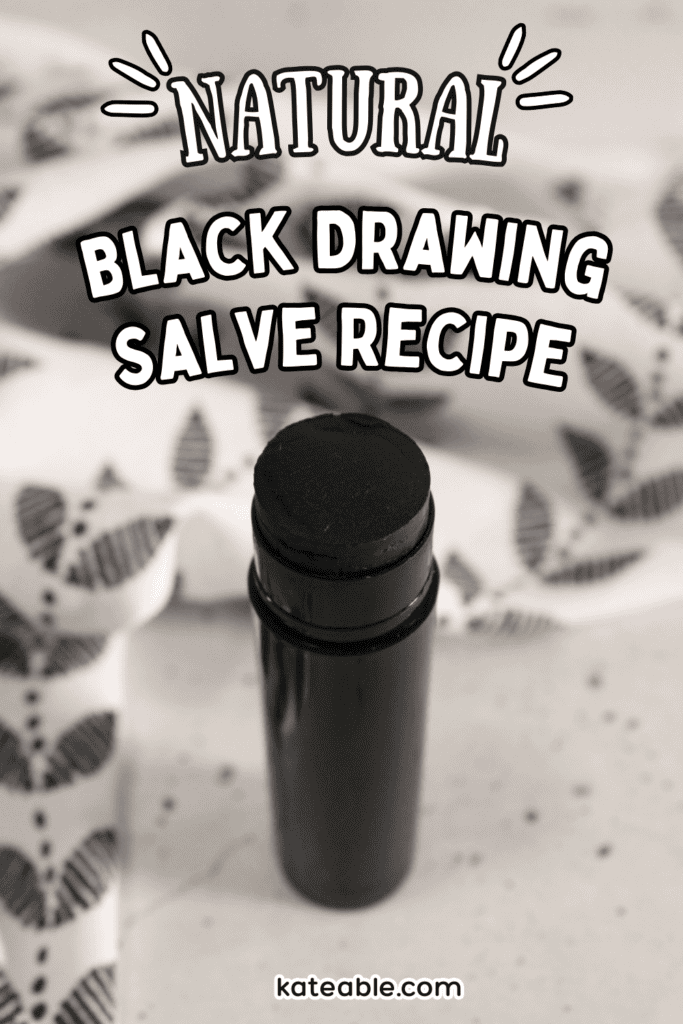
Pin This Post For Later:
Some of these links are affiliate links meaning if you purchase from these links, I will earn a commission at no extra cost to you. Everything I share is my own opinions and things I personally use and love. You can learn more by reviewing my disclosure. As an Amazon affiliate, I earn from qualifying purchases.
Black Drawing Salve Recipe
This makes around 2 ounces.
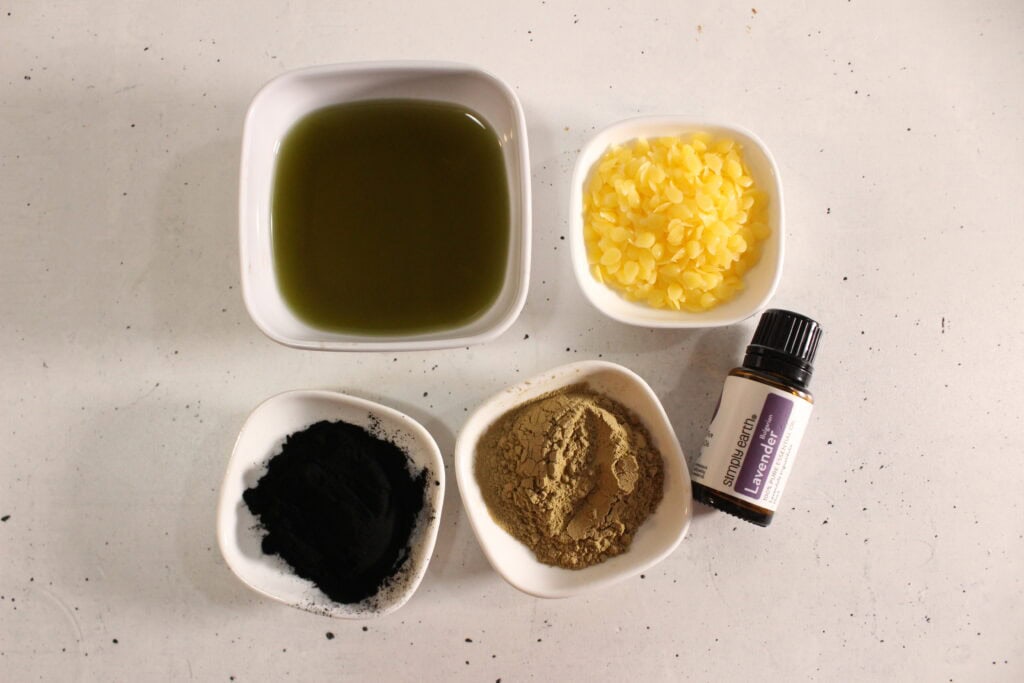
Ingredients
- 2 tablespoons comfrey
- ½ cup carrier oil (I used avocado oil)
- 1 tablespoon bentonite clay
- 1 ½ tablespoons beeswax
- 1 tablespoon activated charcoal
- 10 drops essential oil (optional, I used 5 drops tea tree and 5 drops lavender)
Instructions
Combine the dried comfrey and carrier oil in a small saucepan or jar. Gently warm using the stovetop (double boiler method works best) for 30–60 minutes on low, or let it infuse at room temp for a few weeks. Strain out the herbs when done.
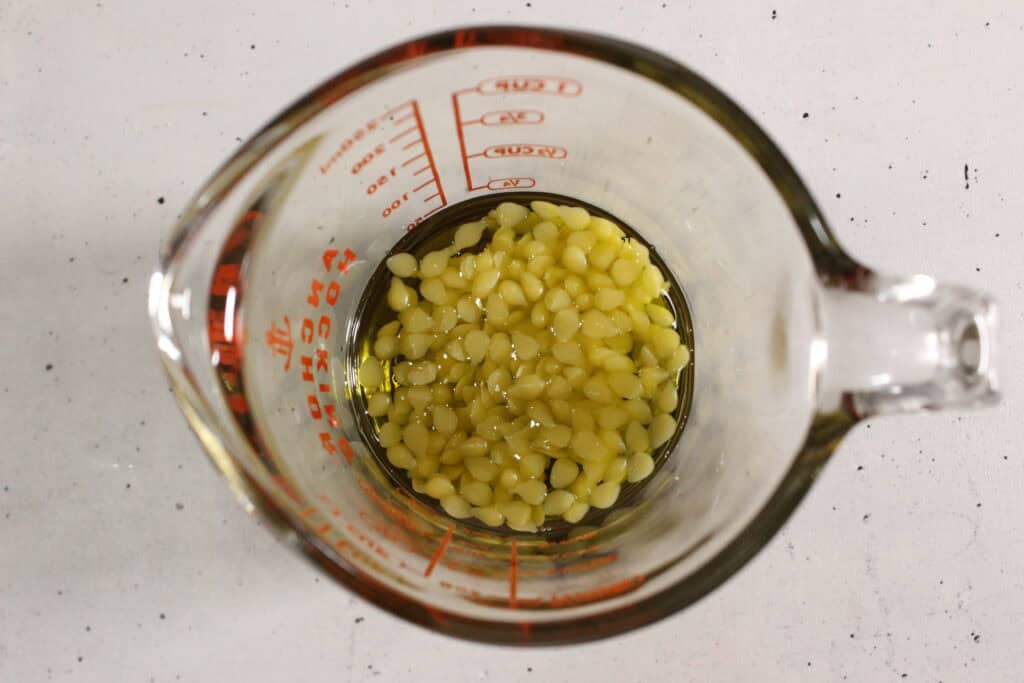
In a double boiler, combine 2 oz of your strained comfrey oil with the beeswax. Stir until fully melted.
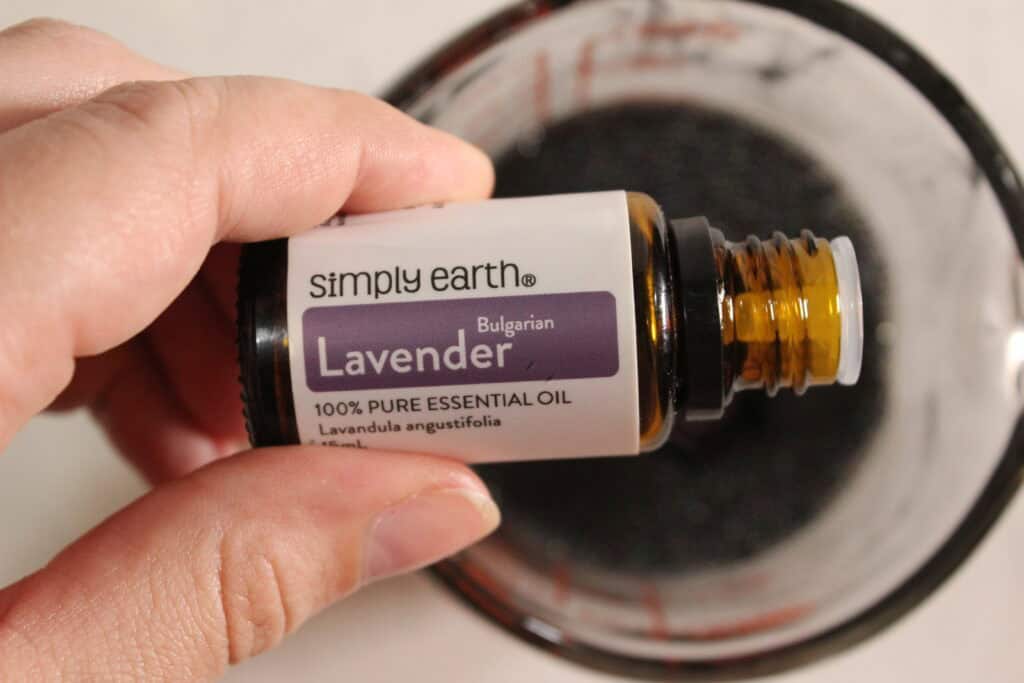
Once melted, remove from heat and quickly stir in the charcoal and bentonite clay. Stir thoroughly to prevent clumps.

If using, stir in your essential oils now.
Pour into a clean jar or tin and let it cool until firm.
To Use: Rub on affected area. Leave for a few minutes, up to 10 or so, then rinse off.
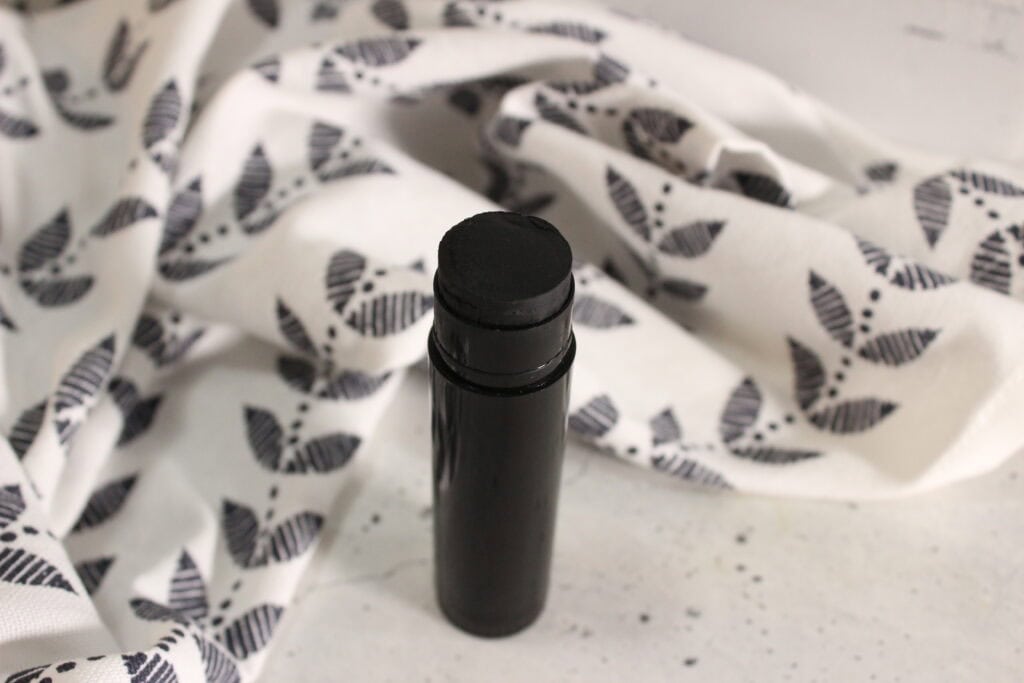
Notes
- This salve will keep for 6-12 months if stored in a cool, dry place.
- You can skip the comfrey oil, but it really boosts the salve’s effectiveness.
- Try it on: insect bites, minor skin infections, ingrown hairs, or even stubborn splinters.
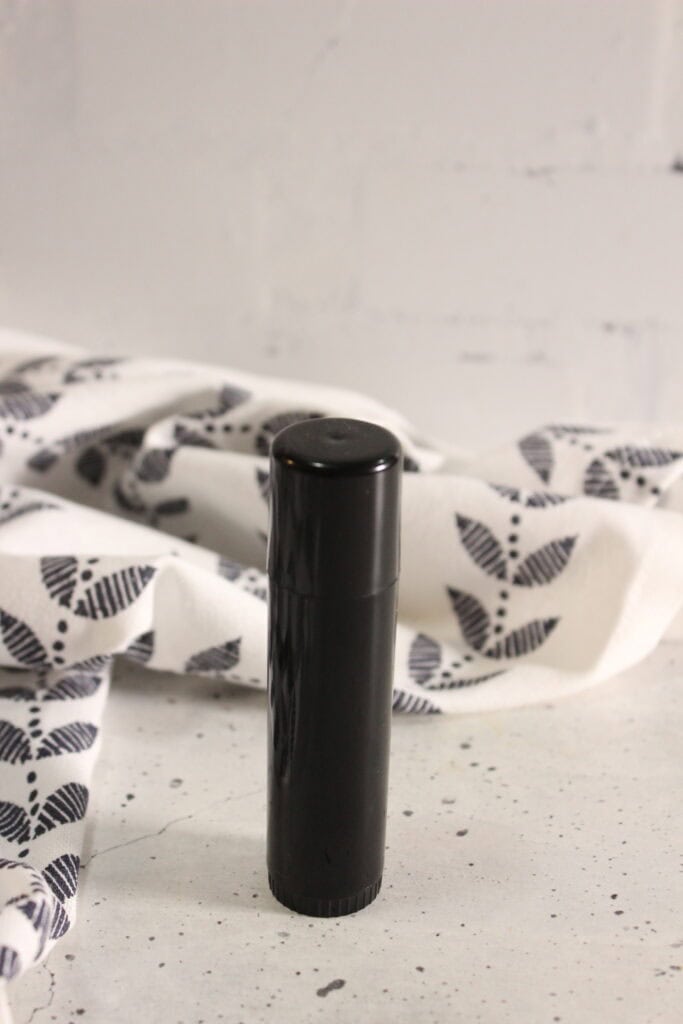
How to Use Black Drawing Salve
Scoop out a small amount with clean fingers or a spatula and apply directly to the affected area. Leave it on for about 10 minutes, longer if needed, then gently wipe or rinse off. You can repeat a couple times a day until the spot clears.
For splinters or bites, you can cover the salve with a bandage to keep it in place longer. Just be sure to let the skin breathe in between applications.
This salve is best for surface-level issues like:
- Splinters or ingrown hairs
- Bug bites or mild boils
- Minor skin irritations or bumps that need “drawing out”
Not for use on deep puncture wounds, large open cuts, or infected areas that aren’t improving. In those cases, herbs can support healing, but always listen to your gut and seek medical care if needed.
Personally, I’ve used this on everything from my son’s mystery backyard scratches to a painful boil to a splinter. In those cases, it helped calm the skin and speed healing without a fuss.
Black Drawing Salve
Materials
- 2 tablespoons comfrey
- ½ cup carrier oil (I used avocado oil)
- 1 tablespoon bentonite clay
- 1 ½ tablespoons beeswax
- 1 tablespoon activated charcoal
- 10 drops essential oil (optional, I used 5 drops tea tree and 5 drops lavender)
Instructions
- Combine the dried comfrey and carrier oil in a small saucepan or jar. Gently warm using the stovetop (double boiler method works best) for 30–60 minutes on low, or let it infuse at room temp for a few weeks. Strain out the herbs when done.
- In a double boiler, combine 2 oz of your strained comfrey oil with the beeswax. Stir until fully melted.
- Once melted, remove from heat and quickly stir in the charcoal and bentonite clay. Stir thoroughly to prevent clumps.
- If using, stir in your essential oils now.
- Pour into a clean jar or tin and let it cool until firm.
- To Use: Rub on affected area. Leave for a few minutes, up to 10 or so, then rinse off.
Notes
- This salve will keep for 6-12 months if stored in a cool, dry place.
- You can skip the comfrey oil, but it really boosts the salve’s effectiveness.
- Try it on: insect bites, minor skin infections, ingrown hairs, or even stubborn splinters.
Final Thoughts
Herbal remedies don’t have to be complicated. This salve is simple, practical, and wildly effective, and making it yourself means you know exactly what’s in it.
Let me know if you make it!


